
BrainHealth Solutions offers advanced Transcranial Magnetic Stimulation (TMS) Therapy in Costa Mesa, CA, providing a non-invasive option for individuals seeking mental health improvement. This innovative treatment uses targeted magnetic pulses to stimulate brain regions associated with mood regulation. Our goal is to help patients achieve lasting relief from conditions like major depressive disorder and OCD. We are dedicated to delivering personalized care and support throughout your treatment journey.

Transcranial Magnetic Stimulation (TMS) is a non-invasive treatment that uses magnetic fields to stimulate nerve cells in the brain. This FDA-approved therapy delivers electromagnetic pulses via a coil placed against the scalp, targeting specific brain regions involved in mood regulation. By activating underactive nerve cells, TMS helps to improve symptoms of major depressive disorder and obsessive-compulsive disorder.

Your journey begins with a thorough evaluation by our medical team to determine if TMS is the right treatment for you. This assessment ensures your safety and helps tailor a personalized treatment plan. We will discuss your medical history and treatment goals.

During your first session, Dr. Bota or a credentialed TMS physician will precisely map the target area of your brain. This involves locating the prefrontal cortex and determining the optimal magnetic energy dose. Functional MRI may be used for precise targeting.

Each TMS session takes place in a comfortable chair, with you awake and alert. A treatment coil is gently placed on your scalp, delivering magnetic pulses for about 20-40 minutes. Patients can immediately return to their daily activities afterward.

A typical course of TMS therapy spans several weeks, with sessions multiple times per week. The exact duration and frequency are personalized by Dr. Bota to meet your specific needs. Some advanced protocols, like SAINT® Depression Therapy offer accelerated schedules.
Individuals experiencing moderate to severe major depressive disorder, anxiety, or OCD.
Patients who have not found sufficient relief from medication or talk therapy.
Those seeking a non-invasive treatment alternative without systemic side effects.
Adults without non-removable metallic implants in their head.
Tms therapy is FDA-approved for major depressive disorder and OCD, offering a clinically proven path to relief. Many patients experience significant reduction in symptoms where traditional treatments have fallen short. This can lead to a substantial improvement in overall mental well-being.
As a non-invasive procedure, TMS does not require anesthesia or surgery. It is generally well-tolerated, with common side effects like mild headaches often dissipating after initial sessions. Patients can resume normal activities immediately after treatment.
Patients frequently report clearer thinking and a reduction in ‘brain fog’ as treatment progresses. Many notice improved sleep patterns, increased energy levels, and a renewed ability to engage in daily life. This therapy helps restore emotional balance and mental acuity.
Tms therapy helps reduce symptoms of depression, anxiety, and OCD, with benefits that can extend long after the treatment course. It offers a path to sustained mental health improvement and can be repeated if symptoms recur. This provides an ongoing strategy for managing chronic conditions.
The cost of TMS therapy in Costa Mesa, CA generally ranges from $9,000 to $18,000 for a complete treatment program. Pricing may vary depending on your personalized treatment plan, the provider, and the total number of sessions needed. Many insurance plans provide coverage for TMS therapy, and our team is available to help with insurance verification and prior authorization. Contact us today for a customized quote based on your individual needs.
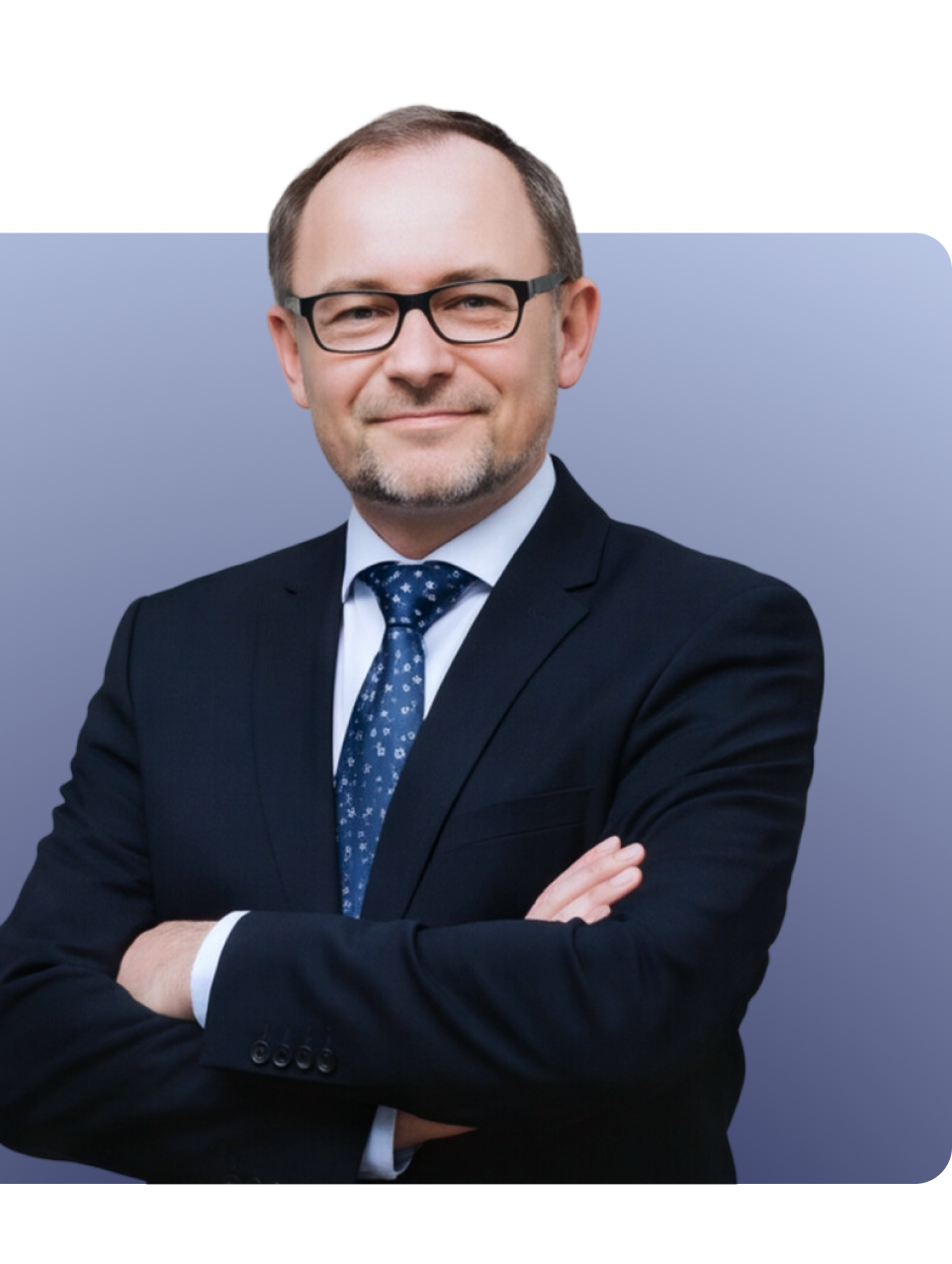
Under the expert guidance of Dr. Robert Bota, a board-certified psychiatrist and distinguished fellow of the American Psychiatric Association, we offer unparalleled tms therapy. Dr. Bota’s extensive experience includes starting the first TMS program at UC Irvine and advanced study at Harvard University. We utilize precise targeting with functional MRI and offer advanced protocols like SAINT® Depression Therapy, ensuring innovative and compassionate care. Our warm, non-clinical environment is designed to support your journey to better mental health.
Testimonials

— Jennifer D.
Meet our Providers