
SAINT Treatment in Costa Mesa, CA
At BrainHealth Solutions in Costa Mesa, CA, we offer SAINT treatment, an advanced, FDA-cleared therapy designed to provide rapid and profound relief for individuals struggling with severe and treatment-resistant depression. Our compassionate team is dedicated to guiding you toward lasting mental wellness.
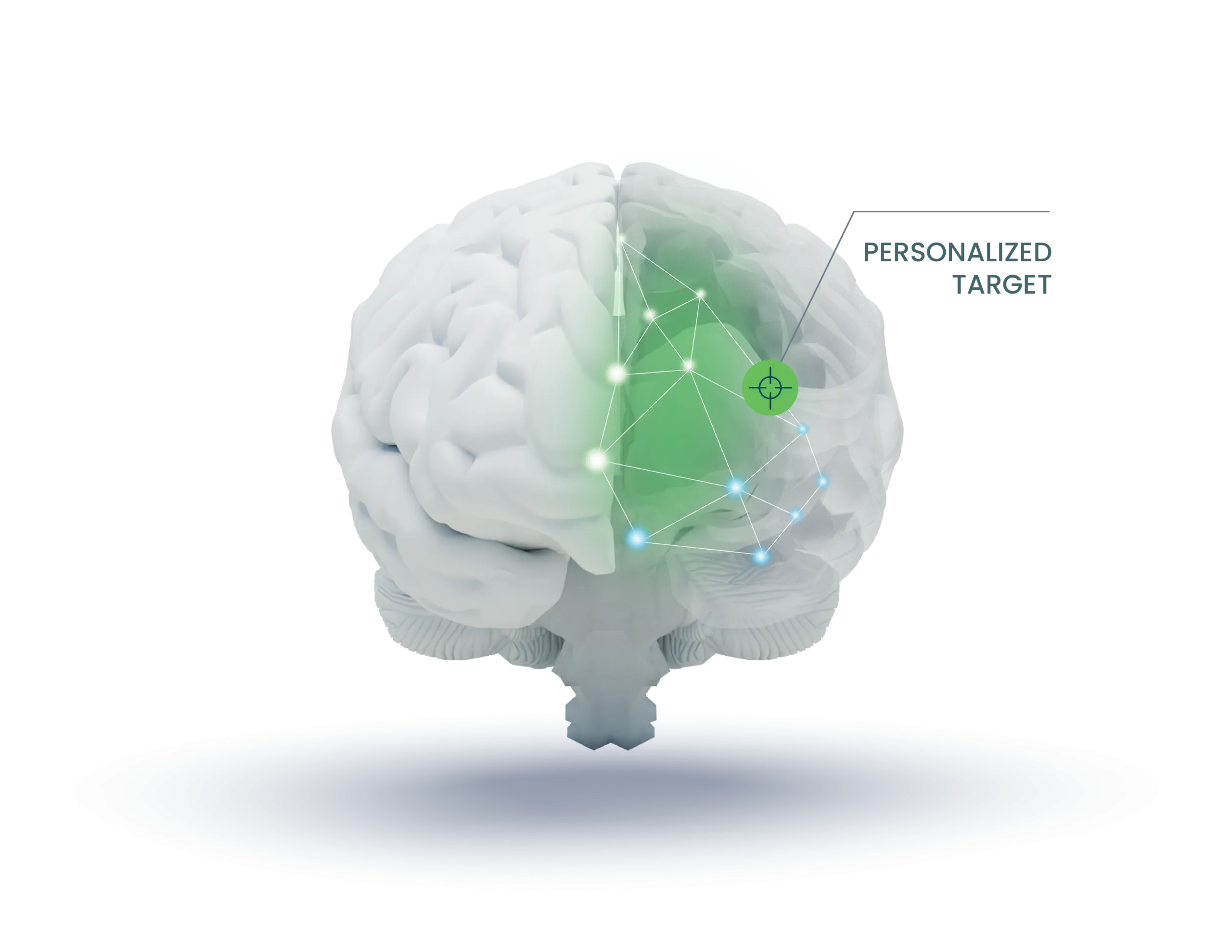
Understanding the SAINT Treatment Protocol
The Science of Accelerated TMS
Conditions Treated by SAINT Therapy
Addressing Treatment-Resistant Depression
The SAINT Treatment Procedure
Brain Mapping
Accelerated Daily Treatment Schedule
What to Expect During Sessions
Check Your Insurance Coverage
Recovery and Long-Term Clinical Results
Remission Rates and Durability
Clinical studies have shown impressive remission rates for individuals undergoing SAINT treatment, with 60-80% of patients experiencing significant and lasting improvements in their depressive symptoms. The goal is not just symptom reduction but achieving sustained remission, allowing you to reclaim your life from depression. Our team monitors your progress closely to support long-term well-being.
Ideal Candidates for SAINT Treatment
Clinical Eligibility and Screening
Benefits of SAINT Treatment
Fast-acting results
High success rate
Non-invasive
Minimal downtime
Short time commitment
The full protocol is completed in just five days
Long-lasting relief
Many patients maintain improvements for weeks to months after treatment
FDA-cleared
SAINT has received FDA clearance for major depressive disorder
Well-tolerated
Side effects are generally mild and temporary, with no systemic effects associated with medications
An option when others have failed
Designed specifically for patients who have not responded to antidepressants or other conventional treatments
Cost of SAINT Treatment
in Costa Mesa, CA
The cost of SAINT treatment is covered by many insurances, including Medicare. This innovative therapy represents an investment in your mental well-being.
The cost of SAINT treatment in Costa Mesa, CA, typically ranges from $10,000 to $20,000, though this can vary based on individual treatment plans and the number of sessions required. This innovative therapy represents an investment in your mental well-being.
While BrainHealth Solutions is primarily a cash-pay practice, we encourage you to contact us to discuss payment options and inquire if any portion of your treatment might be eligible for out-of-network benefits, particularly for Blue Shield and Anthem members.
We offer flexible financing options via CareCredit.

What Makes Our SAINT Treatment Different From Others?
At BrainHealth Solutions, we are committed to providing empathic, wellness-centered, and medically supervised care. Under the leadership of Dr. Robert G. Bota, MD, MSG, DFAPA, our team of psychiatrists utilizes the FDA-cleared Magnus Medical Neuromodulation System, ensuring that you receive the most rigorously tested and regulated SAINT technology available. We prioritize individualized care, focusing on precision and safety to help you achieve lasting relief. Our practice is proud to support veterans, federal employees, and students (18+) in their journey toward better brain health.
Frequently Asked Questions
Is SAINT Treatment painful?
How quickly will I see results?
Can I combine SAINT treatment with other therapies?
Insurance Coverage
Testimonials

— Jennifer D.
Meet our Providers
