
PTSD Treatment
in Costa Mesa, CA
At BrainHealth Solutions in Costa Mesa, CA, we offer comprehensive ptsd treatment designed to help individuals overcome the debilitating effects of trauma. Post-Traumatic Stress Disorder can significantly impact daily life, creating persistent challenges. Our approach focuses on evidence-based therapies to promote healing and restore well-being. We are dedicated to supporting your journey toward recovery and lasting peace.

Understanding PTSD
Post-Traumatic Stress Disorder (PTSD) is a mental health condition triggered by experiencing or witnessing a terrifying event. This disorder can manifest as intense, disturbing thoughts and feelings related to the trauma that last long after the event has ended. It often leads to significant distress and impairment in various aspects of life.
Signs and Symptoms of PTSD
Intrusive Memories
Individuals with PTSD often experience distressing intrusive memories, such as flashbacks where they re-live the traumatic event. Nightmares and vivid, unwanted thoughts related to the trauma are also common manifestations. These memories can feel incredibly real and disorienting.
Avoidance Behaviors
Individuals with PTSD may avoid people, places, conversations, or situations that remind them of the traumatic event. Avoidance behaviors are often used to reduce emotional distress.
Negative Mood Changes
People with PTSD often experience shifts in mood and emotional well-being, including increased anxiety, shame, or detachment. These symptoms may affect relationships and overall quality of life.
Altered Reactions
Altered reactions associated with PTSD can include anger outbursts, difficulty concentrating, or feeling constantly on edge. These symptoms may interfere with daily activities and relationships.
Hyperarousal
PTSD-related hyperarousal can lead to irritability, poor sleep, or exaggerated startle responses. The body may remain in a prolonged state of stress after trauma.
Main Causes of PTSD
Post-Traumatic Stress Disorder (PTSD) is a mental health condition that may develop after experiencing or witnessing a traumatic event. Common causes include combat exposure, serious accidents, natural disasters, physical assault, or other life-threatening experiences. PTSD develops when the mind and body struggle to fully process the trauma, often resulting in lasting emotional, mental, and distress.
Effective PTSD Therapies
-
Transcranial Magnetic Stimulation (TMS)
-
Eye Movement Desensitization and Reprocessing (EMDR)
-
Cognitive Behavioral Therapy (CBT)
-
Exposure Therapy
-
Antidepressant Medications
-
Anti-anxiety Medications
Who Needs PTSD Treatment?
Individuals experiencing persistent symptoms of PTSD following a traumatic event are candidates for treatment. This includes those struggling with intrusive memories, avoidance, negative mood shifts, or hyperarousal that interfere with daily functioning. Seeking help is a sign of strength and a crucial step toward recovery.
Candidates also include those for whom traditional therapies, such as medication or psychotherapy alone, have not provided sufficient relief. Many seek non-invasive options that offer a different mechanism of action to address their symptoms. If previous treatments have been ineffective, exploring alternatives is often recommended.
Those seeking a treatment with a well-established track record for addressing symptoms related to brain activity are often ideal candidates. TMS, for example, is suitable for individuals looking to target specific brain regions associated with PTSD. This approach can be particularly helpful for those wishing to avoid systemic medication side effects.
People who are motivated to engage in their healing process and commit to a structured treatment plan often experience the most significant benefits. A willingness to participate actively in therapy and follow medical recommendations is key. Our team works with you to determine the most appropriate path forward.
Check Your Insurance Coverage
PTSD Treatment Benefits
Rapid Symptom Relief
Many individuals undergoing ptsd treatment, particularly with advanced modalities like TMS, report experiencing relief from debilitating symptoms within weeks. This can be a significant advantage compared to other treatments that may take months or longer to show noticeable effects. Reduced hyperarousal and anxiety are often among the first improvements observed.
Fewer Side Effects
Treatments like TMS offer an alternative to medication, which can often come with unwanted systemic side effects. This non-invasive approach helps patients avoid issues such as weight gain, sexual dysfunction, or fatigue commonly associated with pharmacological interventions. It provides a path to symptom improvement without compromising overall physical well-being.
Complements Other Therapies
Certain ptsd treatments, such as TMS, are designed to work effectively in conjunction with existing therapeutic protocols. It can enhance the efficacy of psychotherapy or medication by optimizing brain function. This integrated approach often leads to more comprehensive and sustained symptom reduction.
Non-Invasive Procedure
TMS therapy for PTSD is a non-invasive procedure, meaning it does not require surgery, anesthesia, or any incisions. Patients can remain awake and comfortable throughout their sessions, typically experiencing mild and temporary side effects like headaches or scalp discomfort. This makes it a highly tolerable option for many.
Evidence-Based Efficacy
Modern ptsd treatments, including TMS, are backed by extensive clinical research demonstrating their effectiveness in reducing trauma-related symptoms. This evidence-based foundation ensures that patients receive care rooted in scientific understanding. The targeted stimulation helps normalize brain activity often dysregulated in PTSD, leading to improved emotional regulation.
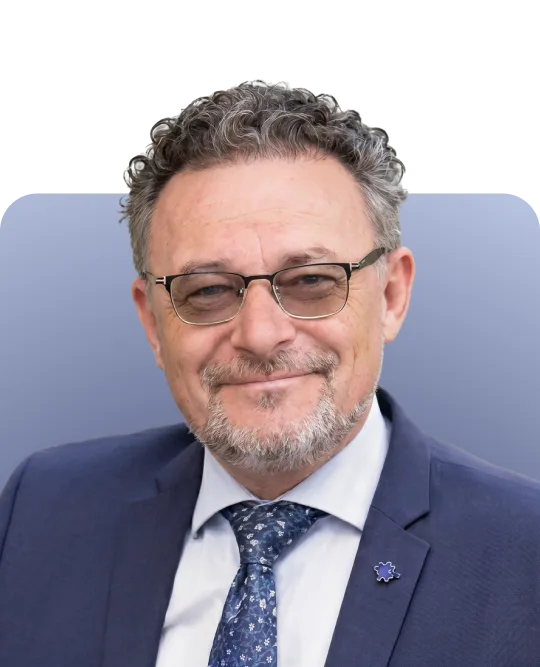
Why Choose BrainHealth Solutions For PTSD Treatment?
Dr. Robert Bota, a board-certified psychiatrist and distinguished fellow of the American Psychiatric Association, leads our specialized ptsd treatment program. With extensive experience, including starting the first TMS program at UC Irvine, Dr. Bota brings unparalleled expertise in advanced psychiatric care. His background in publishing over 60 articles and delivering 100+ presentations underscores his commitment to innovative, patient-focused solutions. Our team has helped hundreds find relief from PTSD symptoms.
Not sure which treatment is best for you?
Check Your Insurance Coverage
Testimonials

— Jennifer D.
Meet Our Providers
