Burnout Didn’t End When the Pandemic Did
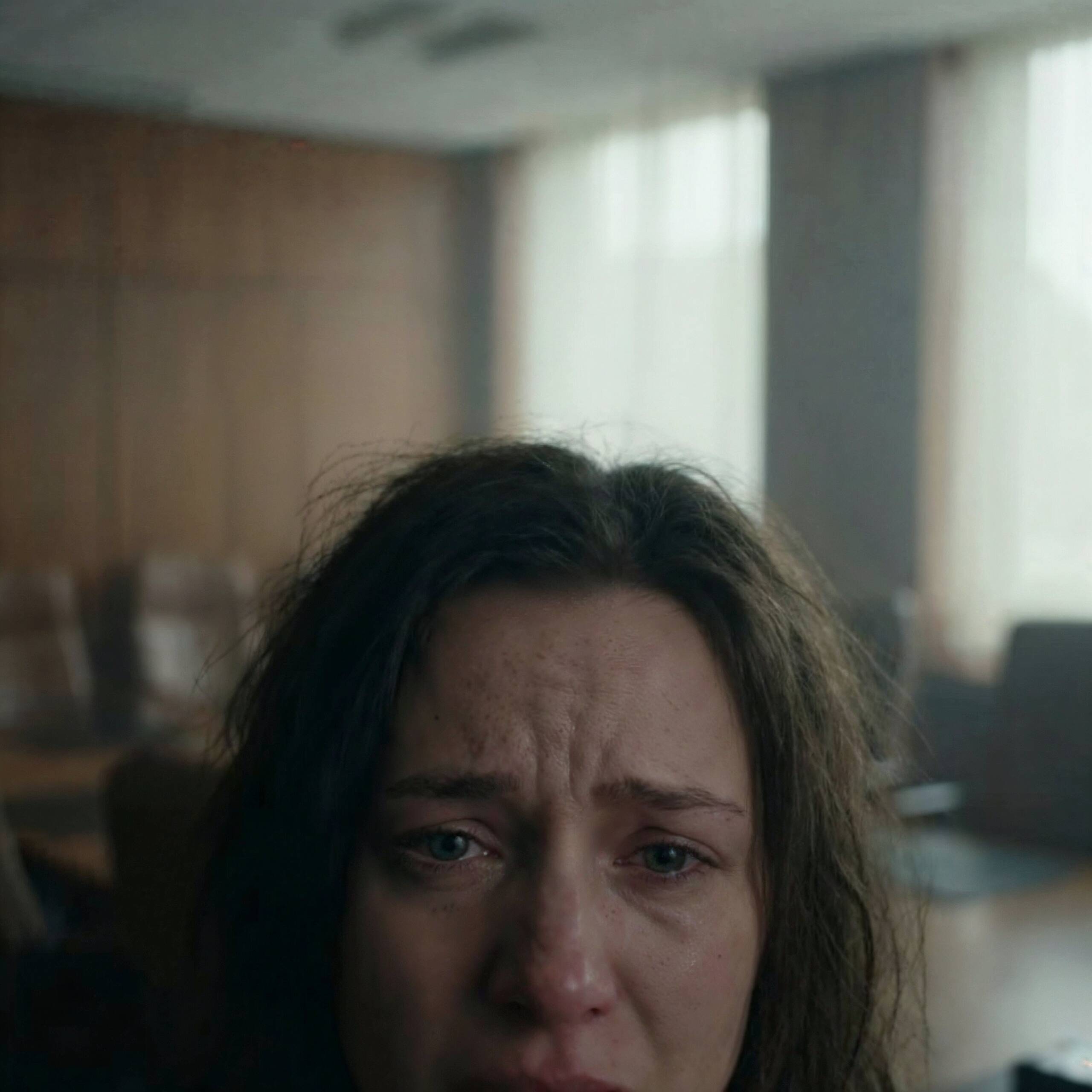
For many professionals, the return to “normal” work life didn’t bring the relief they expected. High workloads, constant connectivity, and years of sustained stress have left people feeling exhausted, detached, and overwhelmed. Burnout has become more than a buzzword it’s a lived reality for employees across industries.
At the same time, the emotional toll of the pandemic hasn’t disappeared. Loss, isolation, disrupted routines, and prolonged uncertainty can linger long after external conditions improve. For some, this shows up as ongoing low mood, anxiety, difficulty concentrating, or a sense that motivation never fully returned.
When Stress Becomes More Than Stress
Burnout and depression can overlap, making them challenging to distinguish. Burnout is frequently associated with work-related stress and may improve with rest or adjustments to workload. Depression, on the other hand, can persist even when external pressures subside.
Signs that stress may be escalating into something more severe include:
- Emotional exhaustion that persists despite time off
- Experiencing a sense of numbness, detachment, or persistent hopelessness
- Having difficulty functioning in both work and personal settings
- Losing interest in activities that once held significance
These experiences are not indicative of personal inadequacy. They are often the consequence of prolonged mental and nervous system strain.
Why Asking for Help Is Hard
Many professionals hesitate to seek professional help not because they do not require it, but rather due to the following concerns:
- Stigma and the fear of being perceived as weak
- The perceived unreality of taking time off from work
- The assumption that they should be able to overcome their challenges independently
- The uncertainty regarding where to commence or who to approach for assistance
These concerns are certainly valid. In high-performing environments, prioritising mental well-being can sometimes appear as a luxury rather than a necessity. However, delaying access to support can exacerbate symptoms and make them more challenging to manage.
The Role of Psychiatric Support
Psychiatric care extends beyond moments of crisis. Psychiatrists are equipped to assess the interplay between biological, psychological, and environmental factors, enabling them to elucidate the underlying causes of symptoms.
Seeking psychiatric assistance can be beneficial in the following ways:
- Clarifying whether symptoms are more indicative of burnout, depression, anxiety, or a combination thereof.
- Reviewing previously attempted treatments and identifying potential reasons for their ineffectiveness.
- Exploring evidence-based treatment options tailored to the individual’s specific needs.
- Developing a comprehensive treatment that accommodates real-life constraints, such as demanding work schedules.
For individuals whose symptoms persist despite therapy alone or standard treatments, psychiatric evaluation can facilitate access to additional treatment options, always under the supervision of medical professionals and guided by individualised assessments.
Support Doesn’t Always Mean Stepping Away From Work
A prevalent misconception is that seeking assistance necessitates substantial time off. In reality, numerous support mechanisms are structured to complement professional obligations. Care plans can be adaptable, discreet, and commensurate with an individual’s capabilities and objectives.
The most crucial aspect is possessing accurate information and professional guidance—thus, decisions are not made in isolation or based on conjecture.
Taking the First Step
If you’re feeling overwhelmed by work or if emotional exhaustion has become your new normal, it might be time to reach out for some support.
Seeking psychiatric assistance isn’t about being labeled or judged. It’s about understanding what’s going on and finding ways to support your mental health and career goals.
You don’t have to go through this alone, and you don’t have to wait until things feel too tough to start talking.