What is Medication Management for Depression?
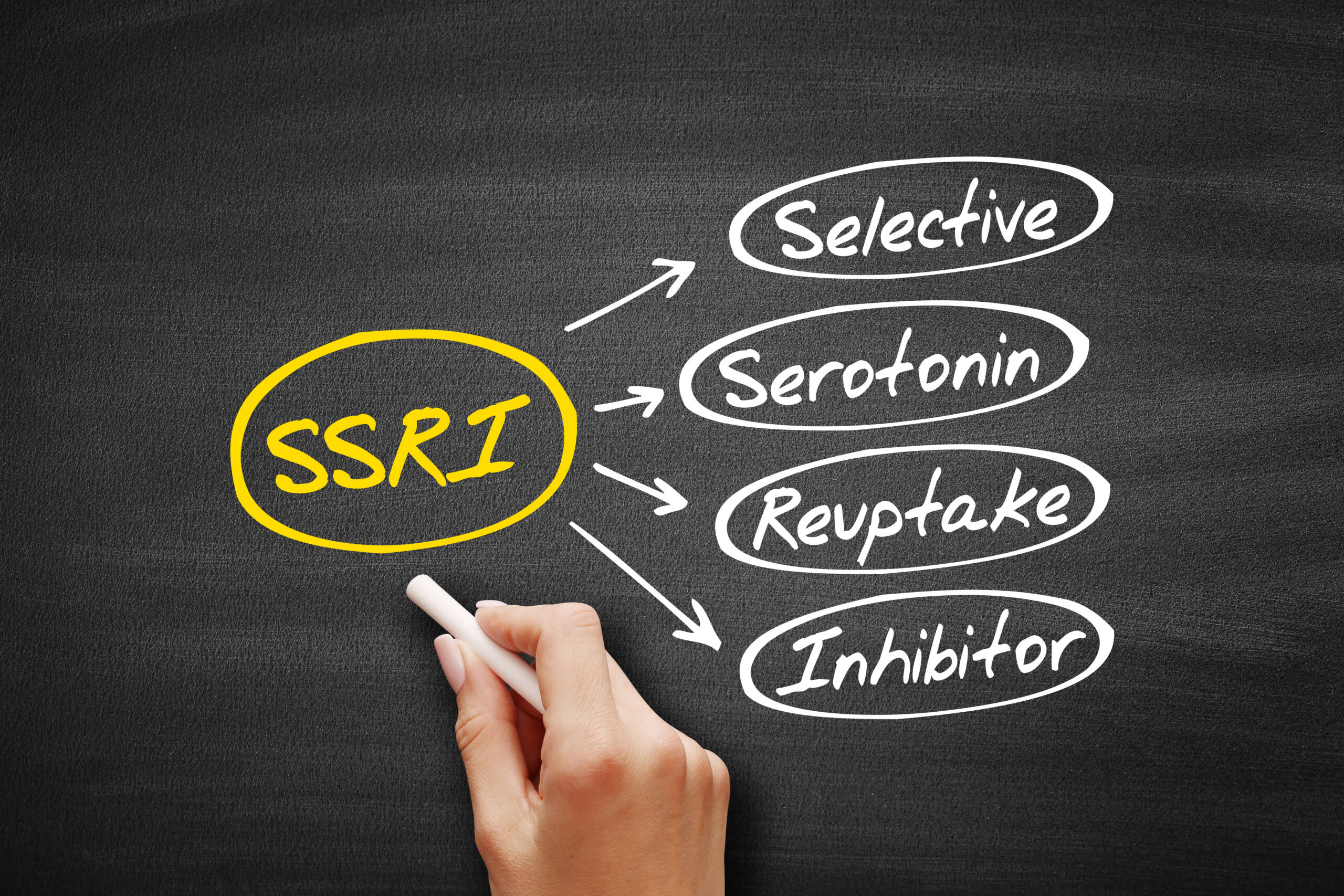
Medication management is just what it sounds like. Professional management of your medication regimen to treat depression symptoms. Antidepressant medications can be a powerful tool for managing the symptoms of depression. To get the most from them, you will want to work closely with a psychiatrist who can manage them for you and prescribe based on careful diagnosis and analysis of your symptoms and how you respond to treatment.
Where You Go For Depression Treatment Matters
Anyone seeking depression treatment in Orange, Riverside, or Los Angeles Counties will find plenty of options. But, the clinic you choose for depression treatment and medication management makes a very real difference when it comes to the results you get.
Choosing the Right Depression Treatment in Southern California
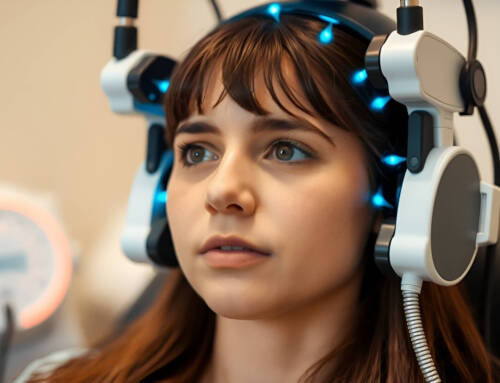
You could just choose a psychiatrist from an online search or ask your primary care doctor for a recommendation. But, the most likely outcome is you will find a psychiatrist who will simply diagnose, prescribe, and then provide medication management and nothing more. Why sell yourself short? Especially when depression treatment is in the middle of a renaissance with exciting and effective new treatments like Saint TMS transforming lives.
An Innovative Approach to Comprehensive Depression Care
Ideally, you would engage the services of a clinic like BrainHealth Solutions, which not only offers medication management for depression but also a full range of holistic treatment approaches. You don’t have to choose between medication management and wellness-based approaches. You can have both. BrainHealth Solutions offers medication management. We also offer advanced Saint TMS therapy for depression and holistic depression care, like Restoration Through Dance and Meditation.
People You Love Deserve the Best, and So Do You
The reality is that most people with depressive disorders find the best results with a comprehensive depression treatment plan that may include medication management but also offers alternative methods. This allows you to benefit from the synergistic effects, which are only possible when therapies are combined. You deserve the best car available for depression and so do your loved ones.
The History of Medication Management for Depression and Mental Health
Mankind has been seeking relief from depression and mental health disorders in medicines for millennia. However, much of what may have been used has been lost to the mists of time. Our early ancestors knew nothing of brain chemistry, of course, so depression and other psychiatric symptoms were more often seen as spiritual dilemmas rather than medical problems.
The Ancient Roots of Medication Management
It is believed that the ancient Greek physician Gale, treated patients with mania by asking them to bathe in alkaline springs and drink the waters, which likely contained lithium. There are other examples from the historical record of ancient physicians, such as Soranus of Ephesus, treating melancholia with alkaline waters believed to contain lithium. This may qualify as the very first medication management for depression (AKA melancholia)
Depression Treatment in the Industrial Age
As late as the 19th and early 20th century, there were no prescription depression medications available in the Western world. In the 19th century, doctors may have prescribed laudanum (a tincture of opium) or cocaine for melancholia.
A select few may have been aware of lithium and used it in some cases. Electroconvulsive Therapy, or ECT, was first developed in the early 20th century and began to be used more widely to treat depression (melancholy) in the 1930s with some positive outcomes. In fact, ECT and lithium are safe and effective. Both are still used to treat various mental health symptoms today.
The Dawn of Modern Medication Management for Depression
It’s fair to say that modern medication management for depression did not come about until the 1950s and 60s. Imipramine (Tofranil), invented in Switzerland in 1957, was the first medication specifically marketed to treat depression. But it was the 1987 arrival of fluoxetine (Prozac) that marked the beginning of medication management for depression as we know it.
Other SSRIs and SSNRIs followed Prozac in the 1990s and 2000s. Antidepressants have become increasingly sophisticated as we learn more about neurochemistry. Today, we have a much more diverse range of psychotropic medicines to treat depression, anxiety, and other conditions and a far better understanding of how (and why) they work.
Medication Management is One Tool for Treating Depression
The most important thing to remember about treating depression is that antidepressants and psychiatric medicines are best seen as one tool to help relieve symptoms. Depression medications do not cure or fix depression. Rather, they control systems to give you “breathing room” so you can function and move through life more easily.
The most effective approach to treating depression is to have a comprehensive, overarching plan that is progress-based and goal-oriented. Rather than simply settling for some symptom relief, why not aim your sights higher and set objectives for quality-of-life improvements?
Medication management for depression is compatible with most other forms of depression treatment. You can benefit from the symptom relief an antidepressant offers while simultaneously leveraging the advantages of other treatments.
Other depression treatments that are compatible with medication management include:
- CBT Psychotherapy (Cognitive Behavioral Therapy)
- Saint TMS (Transcranial Magnetic Stimulation)
- Restoration through Dance and Meditation
- Nutrition, Exercise, and Wellness Programming
BrainHealth Solutions: Medication Management and Much More
Living with depression is often a challenge, but finding the right help and support to manage your symptoms shouldn’t be difficult. BrainHealth Solutions is here to help. Our modern, evidence-based treatment for depression can help you or your loved one find relief. BrainHealth Solutions offers depression care, including medication management, in Costa Mesa. We have helped hundreds of people feel better–we’d love to help you as well.
Call (949) 779-3587 to learn more about our treatment options or to book an appointment.