Moving Towards a Better Understanding of TMS Therapy
Transcranial Magnetic Stimulation, or TMS, has ignited a profound shift in many different areas of healthcare since it received FDA approval for the treatment of depression in 2008. Even before then, thousands of people have benefited from TMS since it was invented in 1985.
Despite its acceptance in mainstream medicine and the long list of conditions it can help treat or provide relief for —- a great number of myths and misunderstandings about TMS therapy still persist.
This article from BrainHealth Solutions deconstructs some of the most common myths about Transcranial Magnetic Stimulation (TMS) therapy and answers your questions about it.
Myth #1: TMS Therapy is Uncomfortable or Painful
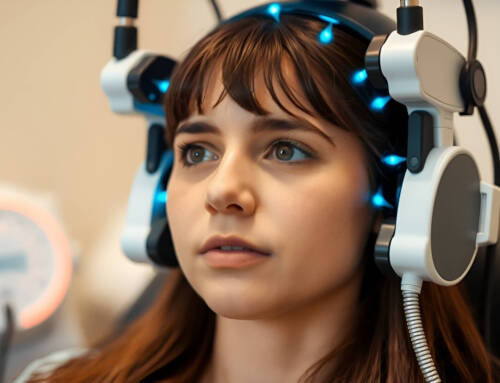
We’re not sure where this myth originated, but it is untrue. TMS therapy is completely non-invasive, meaning no incisions or injections are involved. Clients receiving TMS treatment for depression or any other condition rest comfortably in a reclining chair. Patients may feel a tapping sensation on their scalp or lightheadedness during the treatment, but it is generally well-tolerated. Most patients can comfortably read, watch TV, or listen to music during the session.
TRUTH:
TMS therapy is well-tolerated and comfortable for the majority of clients.
Myth #2: TMS Therapy is Only for Treating Depression
While it’s true that depression is the most common condition treated with TMS, it is far from the only condition that can benefit from this revolutionary form of non-invasive medical care. TMS and SaintTMS focus on the same regions of the brain responsible for mood regulation. This is why TMS can not only treat the symptoms of depression but also provide relief from other mental health disorders, like anxiety and PTSD.
TRUTH:
TMS Therapy has been used to relieve the symptoms of everything from anxiety to PTSD, OCD, and even chronic pain successfully.
Myth #3: You Cannot Combine TMS with Other Treatments, Like Medication
Another misconception we have encountered is that TMS or SaintTMS are standalone treatments. While many people with treatment-resistant depression (TRD), which does not respond to conventional antidepressant medications, do benefit from TMS —- this does not mean that antidepressants like SSRIs and SSNRIs are incompatible with TMS.
On the contrary, many patients find they get the best results from a combination of therapeutic approaches, including TMS, psychiatric medications, cognitive behavioral therapy (CBT), or other talk therapy. Be sure to give your TMS provider your complete medical information, but very few other treatments or medicines are negatively affected by TMS therapy.
TRUTH:
TMS therapy for depression and other conditions is not only compatible with medications and most other treatments —- it is often a helpful addition that can deliver some synergistic effects.
Myth #4: Health Insurance Never Covers TMS Therapy
Health insurance plans differ, of course, but the majority of private healthcare plans do provide coverage for TMS or SaintTMS therapy for depression under their mental health plans. Health insurance companies recognize that TMS is an FDA-approved, safe, and effective treatment for depression. In fact, TMS is often considered the logical next step for people with treatment-resistant depression who don’t find the relief they need from antidepressants.
TRUTH:
Most private health insurers offer some coverage for TMS therapy to treat depression. TMS is also quite affordable for those who choose this non-invasive therapy for symptom relief from other conditions.
Myth #5: TMS Therapy is a Last Resort After Other Treatments Fail
Indeed, TMS and SaintTMS treatments often provide relief when other treatments do not. TMS for treatment-resistant depression (TRD) is the most notable example. However, that does not mean that you must run through a course of other depression treatments that fall short of your expectations before you opt for TMS.
Many people begin their treatment for depression or anxiety with TMS for many reasons. They may want to avoid psychiatric medication if at all possible. You should always consult a specialist but don’t hesitate to get a second opinion.
You and your loved ones are entitled to make informed decisions about your own care and should do so without feeling constrained by what people “usually do.” Decide what’s right for you while following medical advice.
TRUTH:
TMS therapy for depression and other conditions should not be thought of as a last resort — but rather as one in a series of safe and effective options for care.
TMS for Depression in California at BrainHealth Solutions
No one deserves to suffer from untreated or undertreated depression or anxiety. If you or someone you care about has depression and their medications aren’t delivering the results hoped for, or you just want to explore treating depression without prescription drugs —- TMS could be just what you’re looking for.
BrainHealth Solutions offers TMS therapy in Costa Mesa, Riverside, and surrounding areas in California. We have helped hundreds of people find relief and welcome the opportunity to help you or your loved one as well.
Reach out to us today at (949) 779-3587 to learn more about our treatment options or to book an appointment.