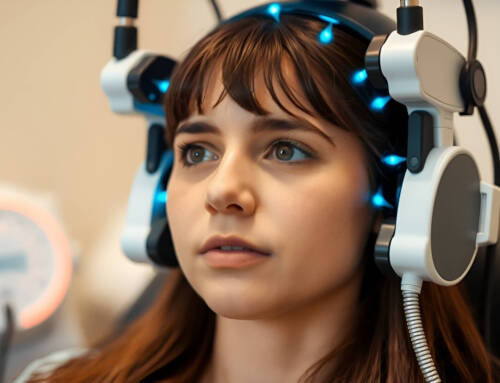
Did you know that nearly 21 million Americans struggle with at least one addiction, yet only 10% receive treatment? For many, the biggest obstacle isn’t just quitting—it’s managing the intense cravings that can lead to relapse. That’s where innovative treatments like Transcranial Magnetic Stimulation (TMS) come into play. Recent studies suggest that TMS may help treat substance use disorders by reducing cravings and rebalancing brain activity. In this article, we’ll explore how TMS works, what the latest research shows, and why it could be a powerful tool in the fight against addiction.
What Is TMS and How Does It Work?
Transcranial Magnetic Stimulation is a non-invasive, FDA-approved therapy that uses magnetic pulses to stimulate specific areas of the brain. It’s most commonly used to treat major depressive disorder, especially in patients who have not responded well to medication.
Here’s how TMS works:
- A magnetic coil is placed near the scalp.
- Repeated magnetic pulses stimulate nerve cells in targeted brain regions.
- These pulses help rebalance neural activity and improve brain function over time.
At BrainHealth Solutions, we specialize in delivering evidence-based TMS therapy for depression and related psychiatric conditions. Although TMS is not yet FDA-approved specifically for substance use disorders, the growing body of research is promising.
How TMS May Help Treat Substance Use Disorders
Emerging research indicates that TMS may help treat substance use disorders by reducing cravings and supporting healthier brain function. Substance use alters neural circuits associated with reward, decision-making, and self-control. TMS can target these regions—particularly the dorsolateral prefrontal cortex (DLPFC)—to help normalize activity.
What the Research Says
- Craving Reduction: Several studies show that high-frequency TMS applied to the DLPFC can significantly reduce cravings for substances such as alcohol, nicotine, and cocaine.
- Improved Cognitive Control: TMS may enhance executive functioning, making it easier for individuals to manage triggers and resist relapse.
- Potential to Extend Abstinence: Preliminary clinical trials suggest TMS can extend periods of abstinence when used in combination with behavioral therapies and medication-assisted treatment.
These findings suggest TMS may serve as a valuable adjunct in comprehensive treatment plans, especially for individuals who struggle with co-occurring depression and substance use.
Benefits of TMS in the Context of Addiction Research
TMS therapy offers several unique advantages, especially in a psychiatric setting:
- Non-invasive: No surgery or sedation involved.
- Well-tolerated: Few side effects—most commonly, mild scalp discomfort or headache.
- Drug-free: Ideal for individuals seeking alternatives to medication.
- Targeted approach: Focuses on specific brain regions implicated in addiction and mood regulation.
At BrainHealth Solutions, our role is to provide TMS therapy backed by scientific evidence and clinical expertise. We recognize the growing interest in TMS as part of a broader, integrative approach to mental health.
Conditions with Overlapping Benefits from TMS
Although TMS is not a direct treatment for addiction, it may be especially helpful for individuals with co-occurring psychiatric conditions that often accompany substance use, such as:
- Depression: A leading cause of relapse; TMS is FDA-approved for treatment-resistant depression.
- Post-Traumatic Stress Disorder (PTSD): Common among individuals with substance use histories; research supports TMS as a promising option for symptom relief.
- Obsessive-Compulsive Disorder (OCD): Frequently co-occurs with addiction; TMS is FDA-approved for OCD as well.
- Anxiety disorders: TMS may alleviate symptoms like excessive worry and panic, which often contribute to relapse.
By addressing these underlying conditions, TMS can indirectly support individuals navigating recovery pathways under the care of addiction specialists.
What to Expect at a TMS Clinic
If you or someone you know is considering TMS for psychiatric support, here’s what the process typically looks like at BrainHealth Solutions:
- Initial Consultation: A comprehensive evaluation by a psychiatric provider to determine TMS eligibility and ensure it’s the right fit for your needs.
- Customized Treatment Plan: Brain mapping and target selection based on your specific diagnosis and brain activity.
- Treatment Sessions: Most patients undergo daily sessions (5 days per week) for 4–6 weeks. Each session lasts around 10–30 minutes.
- Ongoing Monitoring: Progress is tracked and adjusted as needed to maximize results and ensure safety.
We work closely with each patient to tailor treatment in a supportive, medically supervised environment.
The Future of Brain-Based Therapies
As the field of psychiatric medicine continues to evolve, treatments like TMS are gaining recognition for their ability to target the brain directly and non-invasively. At BrainHealth Solutions, our mission is to bring cutting-edge psychiatric treatments like TMS to individuals seeking relief from mood and cognitive disorders. If you’re interested in exploring how TMS may benefit your mental health or support a broader recovery journey, we invite you to reach out and schedule a consultation with our team.
Take the first step toward better brain health. Contact us today.